The Walton Guards

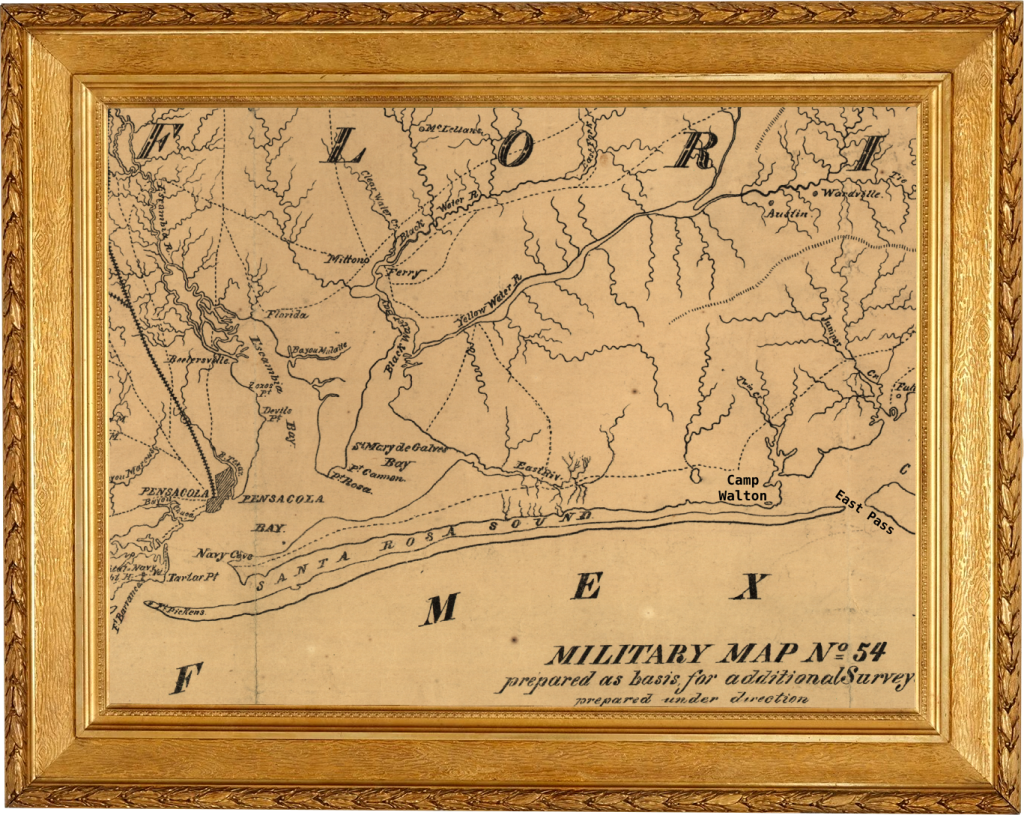
In Eucheeanna, Florida in 1861 a collection of women were asking for volunteers for the Confederate Army. “Go, boys, to your country’s call! I’d rather be a brave man’s widow than a coward’s wife.” [1] They said. Volunteers would come from Eucheeanna and form a Confederate Militia called the Walton Guards which would grow to 56 soldiers. They would be stationed at modern day Fort Walton Beach, which at the time was only occupied the Anderson family. [2] The militia established Camp Walton and their mission was to prevent Union warships from entering the East Pass from which they could move through the Santa Rosa Sound to Fort Pickens and reinforce it.
The soldiers elected to be the commanders of the Walton Guards were
- Captain William McPherson
- 1st Lieutenant Charles L. McKinnon
- 2nd Lieutenant Henry W. Reddick
- 3rd Lieutenant Alexander Bethune McLeod
The Soldiers of the Walton Guard got up to a few activities when they weren’t busy drilling or doing other military tasks. They would fish for food, they had a Schooner named Lady of the Lake which was used to move mail and sometimes relatives of the guardsmen would sail on it to visit the camp. [1]
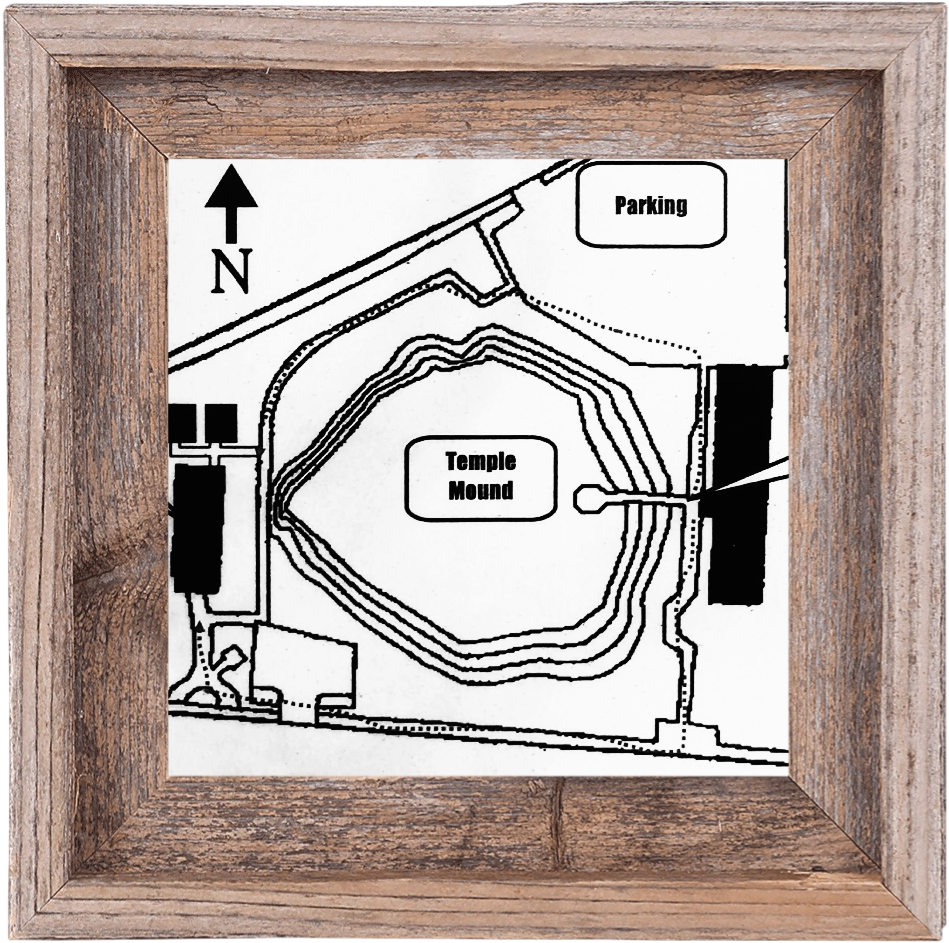
The most interesting of these activities however was the non-professional archeology they did at the Indian Temple Mound.

Charles and John McKinnon
The Walton Guards dug around eighteen inches into the southern side of the Temple Mound. What they found were a lot of bones buried by the Native Americans that once lived there. One of the soldiers, John Love McKinnon, wrote in his book The History of Walton County about the bones he found. He described them as being very well preserved yet also having many marks on them.
The Confederates came to the conclusion that the bones were once great Indian warriors and that there was once a large battle at the location of the mound.
The Walton Guards used the bones they found in a makeshift museum exhibit they made in a tent where the skeletons were displayed and propped up using wires. “That exhibit today would be worth hundred of dollars in any museum or dissecting college.” [3]
There was a mild amount of action at Camp Walton. The first move was taken by the Confederates when William McPherson learned of a steamer. He took about forty men to modern day Destin to wait to attack. When the steamer sent two rowboats to land on the island McPherson ordered his men to fire. The Union soldiers were stopped although the Walton Guards weren’t supplied very well and twelve of the men were armed with only shotguns which didn’t have quite enough range. Although McPherson stopped the rowboats he and his men would have to retreat when cannons from the steamer started firing. [1]
None of the Union Soldiers were harmed by the Confederate gunfire.
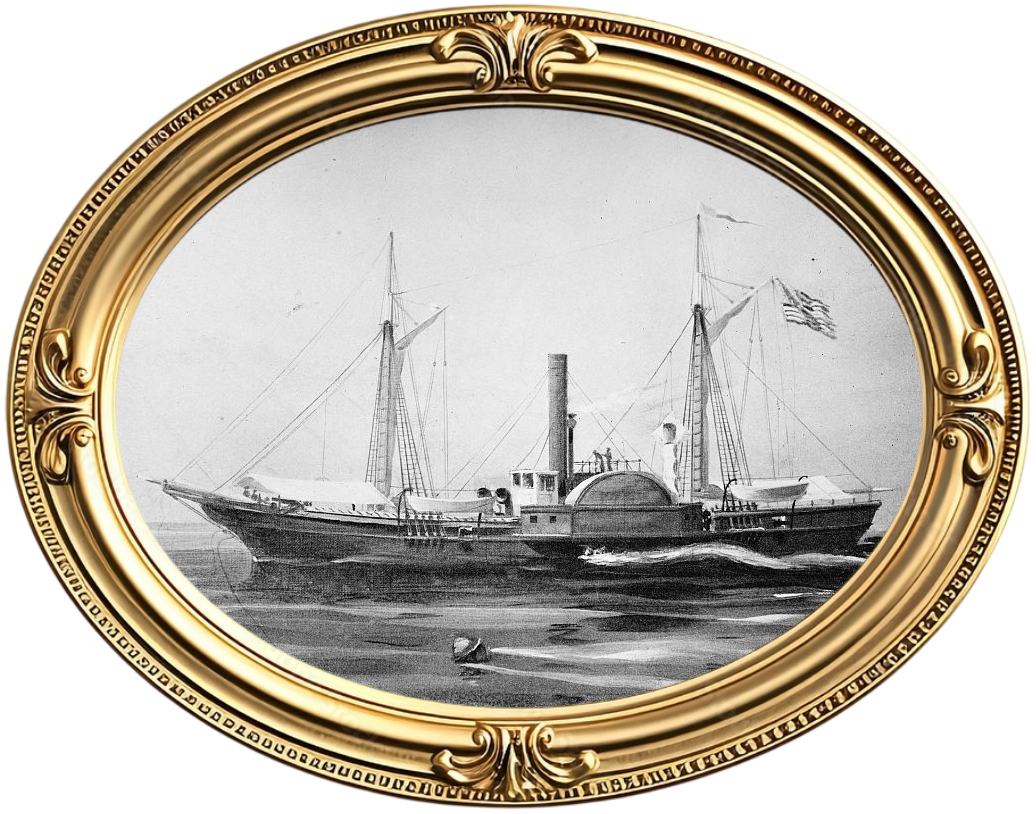
The USS Water Witch, one of the ships patroling the area.
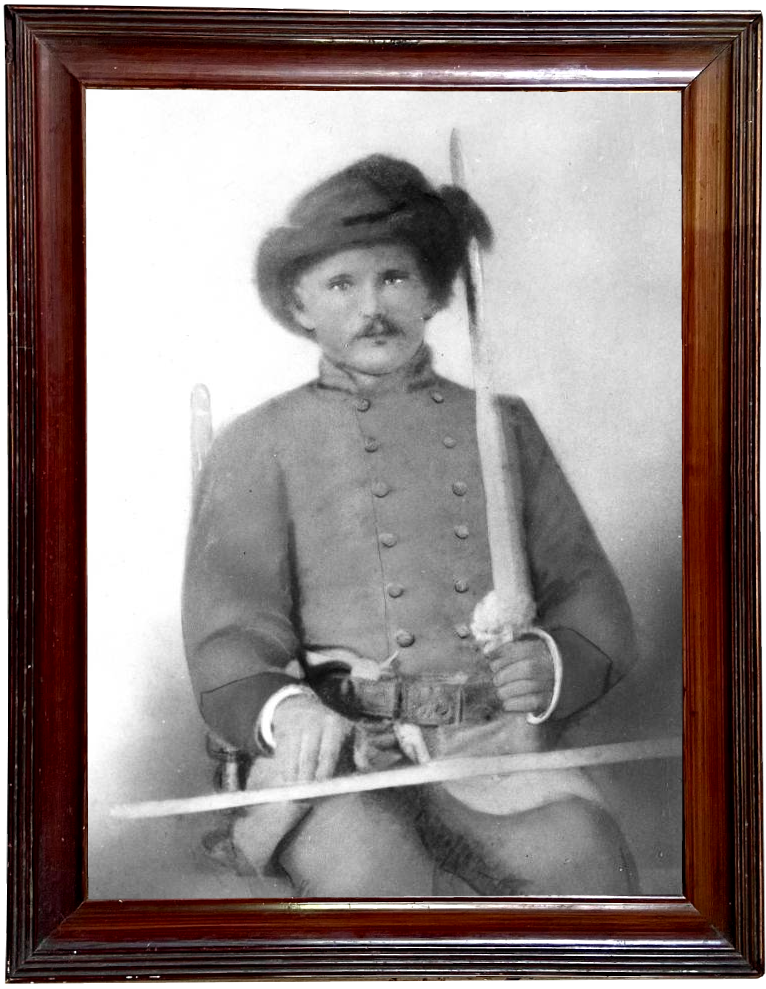
Henry W. Reddick
The Yankees would get back at the Walton Guards. One night a Union steamer would put their cannons onto the hills on Santa Rosa Island and wait for daylight to bombard Camp Walton. When cannon fire flew above the heads of the Confederates they all broke rank and ran around panicked. John McKinnon described the cannon balls looking “like a ball[s] of fire.” He says that “The men went out into the thick woods & remained there until they ceased firing.” [5]
Henry Reddick recalled being in bed as he was on night patrol the previous night. William McPherson went into the shack Reddick was sleeping in and told him they were being attacked. However Reddick thought he was being teased, but soon after a cannon ball went right through the house.
“I jumped up and began looking for my pants and shoes, which I had a hard time finding. though I did so at last and ran outside,” [1]
During the barrage some of the Walton Guards, including Capt. McPherson , hid behind the Midden Mound near the coast for protection. Eventually the Guardsmen retreated to modern-day Niceville. When General Bragg heard he order them to go back to Camp Walton. The Guard did so but their houses were destroyed and they were without shelter for three weeks. [1]
Bragg sent tents and a Cannon to the camp to provide shelter and give them a better means of defense. No one in the company had experience firing a cannon, and some had never even seen a cannon before. [1]
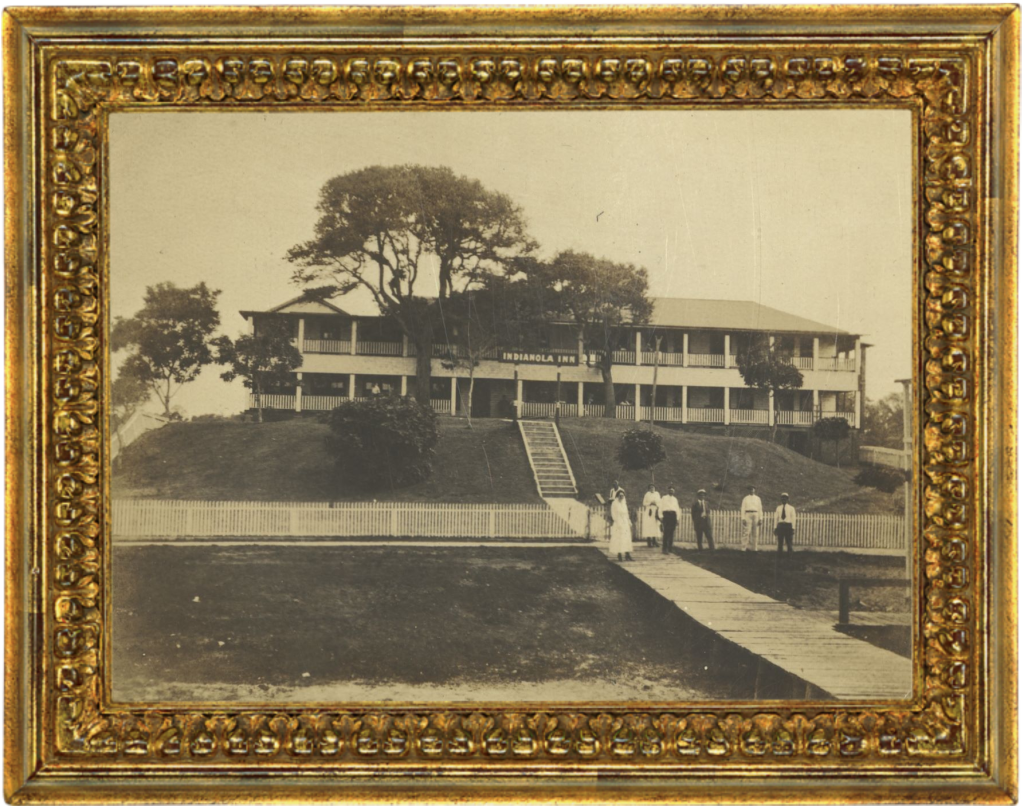
The midden mound in the 1920s with a hotel built on top.
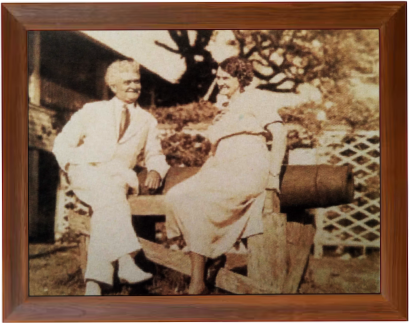
A couple sitting on the cannon at the Indianola Inn.
Both Henry Reddick and John McKinnon say that the carronade was put on top of the midden mound. [1] [3] Such a task would have been very difficult as, according to the Indian Temple Museum Manager the 18 pounder weighs 900 pounds. Keep in mind that both Reddick and McKinnon are recalling these events fifty years after the fact.
Reddick claims that there were two cannons and one was never mounted. He says that this cannon was then spiked and buried “about fifteen paces from the water’s edge.” while the Walton Guards were leaving. [1]
In the 1930s the cannon would be found around the mound and put on display in front of the Indianola Inn and eventually moved to the Indian Temple Mound in 1962, where it resides today. [6]
Since the Walton Guard were a Confederate Militia it makes sense to assume that the soldiers in the Guard were in support of Slavery. According to the 1860 census slave schedule, William McPherson’s father, Neill, owned eight slaves. The McKinnon family owned sixty-nine slaves in total which Charles McKinnon owning four. [7] It’s hard to know weather John L. McKinnon owned slaves or how many he had since the McKinnon family had a tradition of naming one child in each generation “John Love McKinnon.” However John McKinnon dedicated an entire chapter of his book, The History of Walton County, to explaining how slaves were supposedly treated benevolently in Walton County and were happier enslaved.[3]

Florida Slave population percentages by County, 14.8% of Walton County’s population was enslaved.
After a year of camping the Walton Guards were no longer needed at the East Pass and would be reorganized into the First Florida Infantry. After the war William McPherson would become a lawyer in California and Henry W. Reddick would operate sawmills around the Choctawhatchee Bay area.
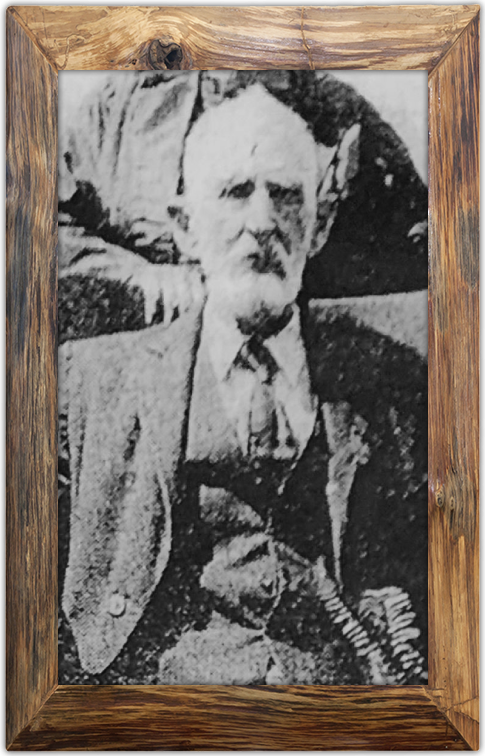
3rd Lt. A. B. McLeod
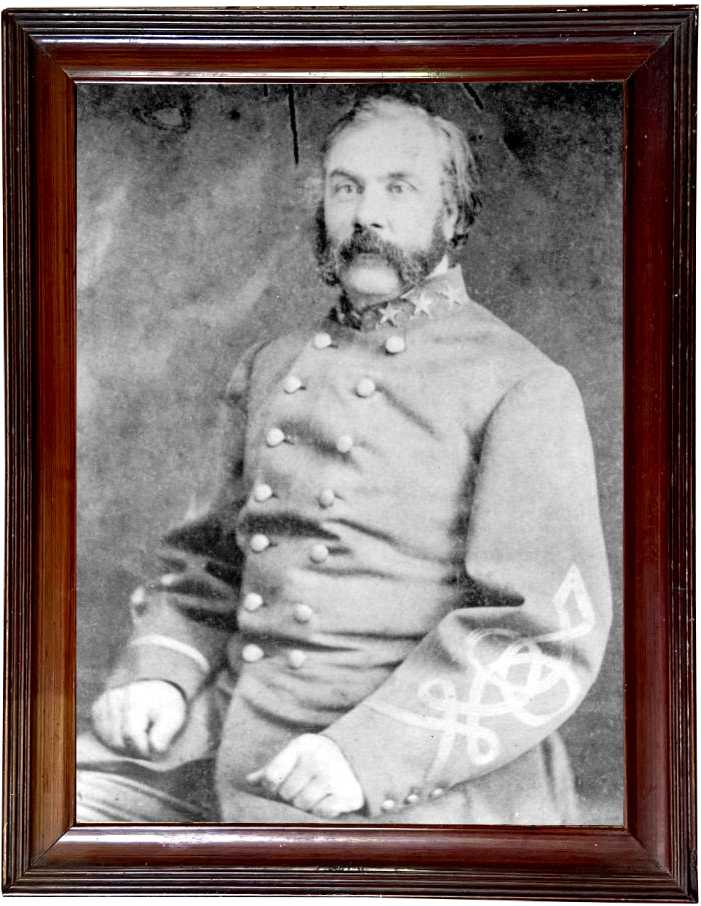
William Miller
Non-inclusive List of Guardsmen
- Captain William McPherson [1] [2] [9]
- 1st Lieutenant Charles L. McKinnon [1] [2]
- 2nd Lieutenant Henry W. Reddick [1] [2]
- 3rd Lieutenant A. B. McLeod [1] [2]
- John Love McKinnon (Brother of Charles McKinnon.) [2]
- George Washington Watson (Father of Wilson Watson.) [9]
- Wilson Allen Watson (Drummer.) [9]
- Calvin Lewis (Died while leaving.) [1] [8]
- Alfred Lewis (Brother of Calvin) [8]
- Johnnie McDonald (Died while leaving.) [1]
- Willie Rooks (Died while leaving.) [1]
- Jessie Rooks (Died while leaving.) [1]
- William Miller [1]
- Charles McCollum [4]
- Henry Thomas Wright [7]
Sources:
[1] Seventy Seven Years in Dixie
[2] Military map no. 54, prepared as basis for additional surveys
[4] Abstract field returns of the Army of Pensacola, January 1, 1862
[5] John McKinnon to Rev. John Newton April 2, 1861
[6] The Playground News April 10, 1962

[7] 1860 Census Slave Schedule, Walton County
[8] Letter from Lt. Henry T. Wright, Aug 16, 1861
[9] Leonardo Destin’s civil war eligibility
[10] The heritage of Walton County
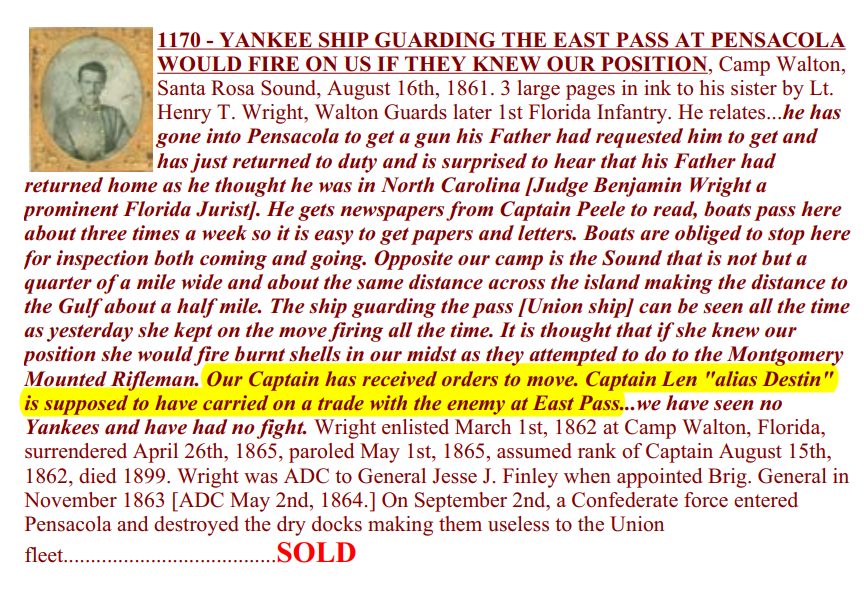
Henry T. Wright letter
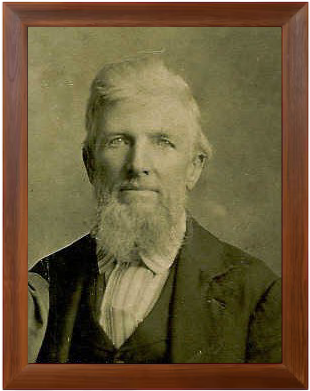
George Washington Watson
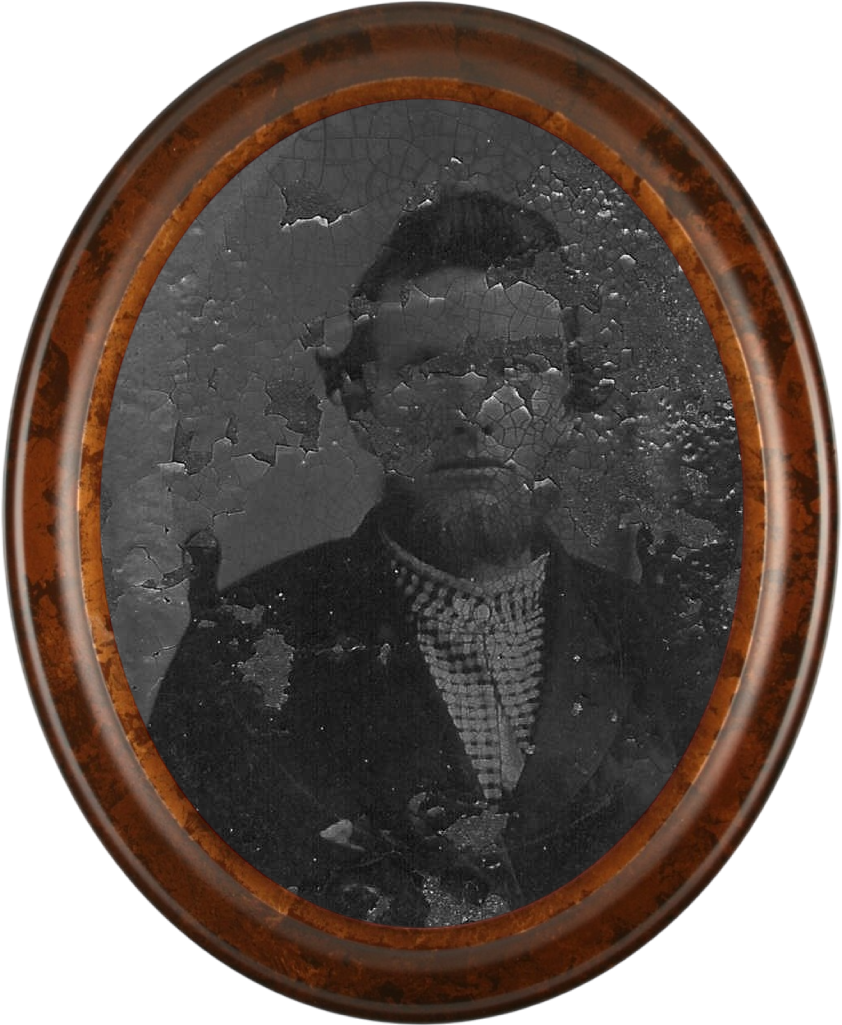
Wilson Allen Watson
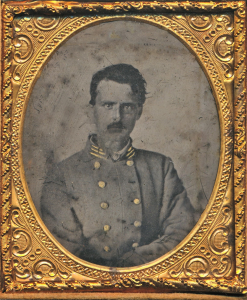
Henry T. Wright